

Life Science Tools and Reagents: Global Markets
May 04, 2011
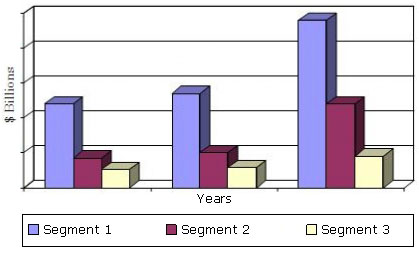
Wellesley, Mass. – According to a new technical market research report, LIFE SCIENCE TOOLS AND REAGENTS: GLOBAL MARKETS (BIO083A) from BCC Research (www.bccresearch.com), the global market value of life science tools and reagents is an estimated $42.8 billion in 2011, but is expected to increase to more than $81 billion in 2016, for a 5-year compound annual growth rate (CAGR) of 13.6%.
The largest segment of the market, made up of reagents and tools for DNA-RNA research, is projected to grow at a CAGR of 12.2% to reach $48 billion in 2016. Its value is estimated at $27 billion in 2011.
The segment made up of cell biology reagents is estimated to be $10 million in 2011, and is expected to increase at a 5-year CAGR of 19.1% to reach $24 billion in 2016.
The smallest segment, made up of protein research-related reagents and tools, is projected to have a 5-year CAGR of 9.4%, rising from $5.8 billion in 2011 to $9.1 billion in 2016.
Life science tools and reagents companies are integral and essential parts of the biotechnology industry; however, this sector is often considered a “trendy” investment or less profitable than pharmaceutical research. Technology and assay development, however, are the main components in the drug development process; often these sectors represent the major challenge or disadvantage in drug development.
The life science tools and reagents market consists of several different segments, each offering different types of products and services. This report will discuss in detail the following segments: Molecular biology tools and reagents (DNA, RNA, and genomic-related products), proteomics-related products and services (protein expression, purification, and identification market), recombinant proteins market and in vitro assay development, antibodies as a research tool, cell biology reagents and assay development, the laboratory animal markets, imaging techniques and suppliers, and bioinformatics tools.
This report is intended for business development professionals, entrepreneurs, and other investors who need to fully understand and properly evaluate each segment in the market for life science tools and reagents.

Life Science Tools and Reagents: Global Markets( BIO083A )
Publish Date: Apr 2011
Data and analysis extracted from this press release must be accompanied by a statement identifying BCC Research LLC as the source and publisher. For media inquiries, email press@bccresearch.com or visit www.bccresearch.com/media to request access to our library of market research.
BCC Library Membership Benefits
Unlimited Access to Market Research Reports for Academic Institutions and Corporations.
Custom Research
Tailored solutions across industries for your unique business needs.
More in Cell Biology
- Biometrics as a Service in Medical Devices to Reach $2.7 Billion by 2030, Driven by Remote Patient Monitoring Demand
- Protein Synthesis Research Market to Reach $42.8 Billion by 2031, Driven by Surging CGT Investment
- AI and Advanced Diagnostics Transform Cancer Detection Market Amid Rising Healthcare Investment
- Cloud Computing in Cell Biology, Genomics and Drug Development to Reach $15.6 Billion by 2030 as Biological Data Explosion Drives Demand
- Decentralized Clinical Trials Market to Reach $18.8 Billion by 2030 as Digital Health Infrastructure Reshapes Drug Development
Reports from Cell Biology
Recent News
- Global Bispecific Antibodies Market to Reach $22.3 Billion by 2030 as Immuno-Oncology Innovation and R&D Investment Accelerate
- Global Noninvasive Cancer Diagnostics Market to Reach $165.2 Billion by 2030 as Liquid Biopsy, AI-Enabled Screening and Multi-Cancer Detection Tests Transform Oncology
- Neuroprotective Agents Market to Reach $60.9 Billion by 2030 as Neurological Disease Burden and Aging Populations Drive Pharmaceutical Investment
- Long-Term Care and Home Healthcare Technology Market to Reach $64.8 Billion by 2030 as Aging Demographics and Remote Monitoring Reshape Care Delivery
- Radioligand Therapeutics Market to More Than Double to $4.8 Billion by 2030 as Targeted Cancer Treatments Gain Regulatory Momentum