

Bio-Based Nylon: Bridging Sustainability, Innovation and Performance in Technical Textiles
Clear insight into competitor positioning and market share.
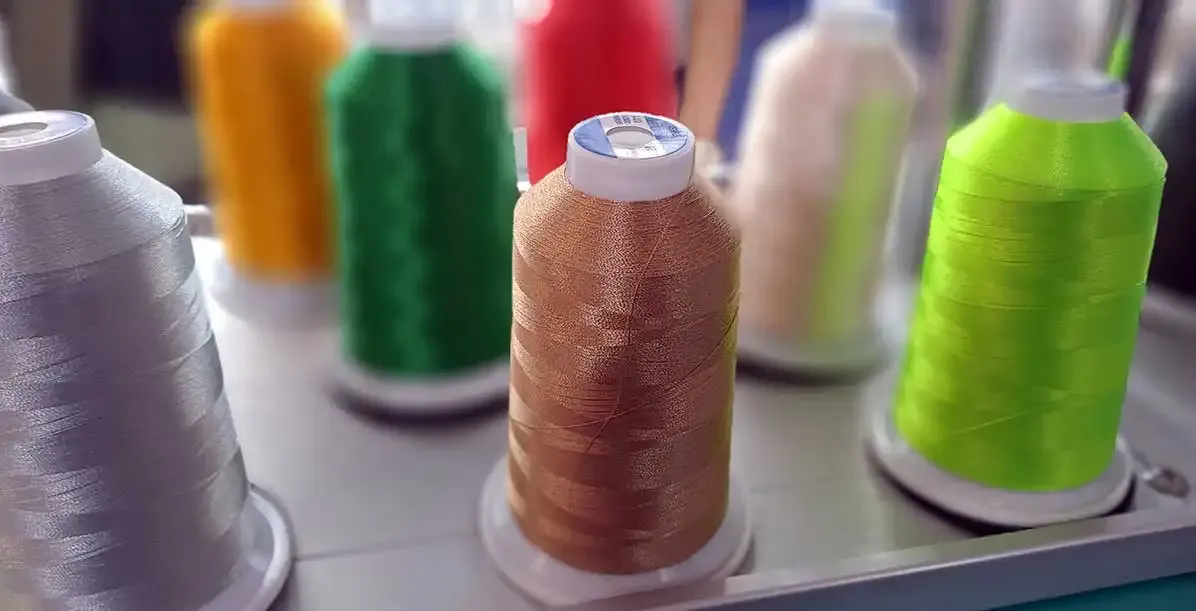
Bio-based nylon is a type of polyamide fiber that is produced using renewable, plant-derived feedstocks instead of fossil-based chemicals. Firstly, the nylon monomer is obtained through a biological fermentation process and then converted into chips through a polymerization reaction, making nylon a green, energy-saving and emission-reducing material. The bio-based nylon molecular structure is similar to that of petroleum-based nylon. Still, bio-based nylon offers improved sustainability by reducing dependence on crude oil, lowering greenhouse gas emissions and sometimes enhancing biodegradability, depending on the formulation.
Raw Material Source:
|
Type |
Raw Material Source |
|
Traditional Nylon 6/66 |
Petrochemical (Crude Oil Derivatives) |
|
Bio-Based Nylon 11 |
Castor Oil (Ricinoleic Acid) |
|
Bio-Based Nylon 610 |
Sebacic Acid (from Castor Oil) + Hexamethylene Diamine |
|
Partially Bio-Based Nylon 66 |
Adipic Acid + Bio-Derived Diamine |
|
Factor |
Bio-Based Nylon |
Traditional Nylon |
|
Fossil Resource Use |
Very Low |
High |
|
Carbon Footprint |
Up to 60% Lower |
High |
|
Biodegradability |
In Some Grades |
Minimal |
|
Production VOCs |
Reduced |
Higher |
Evolution of Bio-Based Nylon
|
Period |
Description |
|
1980–1990 |
Commercial Maturity of Bio-Based PA-11 (Nylon 11):
In this period, PA-11 (made from castor oil) was already widely used in various industrial applications (e.g., tubing and automotive). Its supply chain and applications were not only stable but also expanding.
|
|
1990–2000 |
Consolidation and Niche-Strengthening:
PA-11 maintains its position in the specialty market, primarily due to its origin from renewable sources and its unique properties for engineering applications. There is a small amount of new bio-based nylon chemistry, although demand is maintained at a high-performance level.
|
|
2000–2010 |
Sustainability Momentum and Early Bio-Monomer R&D:
The increasing attention to environmental issues has led to the initiation of R&D, as well as pilot projects, on bio-based monomers. Companies are exploring fermentation and biomass-derived feedstocks as the next best alternative to crude petrochemicals.
|
|
2010–2020 |
Breakthroughs in Fermentation-Based Nylon-6 Monomer (Caprolactam) Production:
A significant change is that biotech companies are leading the way in producing caprolactam (a precursor to nylon-6) from renewable sources. Genomatica and Aquafil inked a collaboration deal in 2018 to scale a “GENO CPL™” bioprocess for caprolactam production from plant-based feedstocks.
|
|
2020–Present |
Demo/Precommercial Scale Production, Bio-Nylon-6 Validation and Bio-Nylon-66 Precursors:
· In July 2022, Genomatica and Aquafil completed the first demonstration-scale production of plant-based caprolactam, converted it into nylon-6 polymer and initiated evaluation of yarn/engineering plastics.
· Aquafil announced in 2023 that the company’s demonstration plant in Slovenia is successfully manufacturing bio-caprolactam at a pre-industrial scale.
|
Source: Company website, published articles and press releases
Key Applications for Bio-Based Nylon in Technical and Industrial Textiles
- Automotive Industry: Bio-based nylons deliver superior resistance to fuels, brake fluids and under-hood temperature cycling.
|
Application |
Preferred Bio-Based Nylon Type |
|
Fuel Lines |
Nylon 11 |
|
Brake Lines |
Nylon 610 |
|
Air Ducts |
Nylon 610 |
|
Electrical Harnesses |
Nylon 11 |
Source: Applications, Szoneier, 2025
· Outdoor Gear and Apparel: Brands promote bio-based nylons to align with the growing demand for eco-conscious consumer products.
|
Product |
Preferred Bio-Based Nylon Type |
|
Backpacks |
Nylon 610 |
|
Technical Jackets |
Nylon 512 |
|
Tents and Tarps |
Nylon 610 |
|
Ropes and Webbing |
Nylon 610 |
Source: Applications, Szoneier, 2025
· Industrial and Safety Gear: Low moisture absorption improves dimensional stability and reduces weight gain in wet conditions.
|
Application |
Preferred Bio-Based Nylon Type |
|
Industrial Slings |
Nylon 610 |
|
Conveyor Belts |
Nylon 610 |
|
Safety Harnesses |
Nylon 610 |
|
Marine Rope |
Nylon 11 |
Source: Applications, Szoneier, 2025
- Medical Industry: Biocompatibility and chemical resistance support patient safety and high sterilization standards.
|
Product |
Preferred Bio-Based Nylon Type |
|
Surgical Sutures |
Nylon 11 |
|
Tubing and Catheters |
Nylon 11 |
|
Medical Bags |
Nylon 610 |
Source: Applications, Szoneier, 2025
· Electronics and Electrical: Excellent flexibility, even at low temperatures, reduces the risk of cracking.
|
Application |
Preferred Bio-Based Nylon Type |
|
Cable Sheathing |
Nylon 11 |
|
Connectors |
Nylon 610 |
|
Wire Insulation |
Nylon 11 |
Innovation and Technological Advances in Bio-Based Nylon
- OzoneBio of South Korea has developed a "zombie cell catalysis" operation in 2023 that transforms wood waste into bio-based adipic acid with a 98% yield, which is then polymerized to form nylon-66. With this, the company has paved the way for one of the first high-efficiency, lignocellulosic routes for nylon-66 production, thus reducing reliance on fossil fuels.
- Toray Industries managed to produce 100% bio-based adipic acid through microbial fermentation of sugars derived from non-food biomass in 2022. Their process is free of nitrous oxide emissions, which are a significant contributor to global warming in traditional adipic acid synthesis. Thus, it permits an increase in the bio-nylon-6,6 production capacity.
- In 2023, scientists unveiled a metallocene catalyst that is capable of depolymerizing nylon-6 to its monomer ε-caprolactam in a matter of minutes, thereby obtaining ~99% recovery. Such an ultra-fast chemical recycling technique enables the production of nylon in a closed loop by recovering monomers of virgin quality from waste.
- In 2023–2024, Genomatica employed engineered microbes to synthesize caprolactam (the monomer of nylon-6) directly from plant sugars, which is called GENO-CPL. With this breakthrough, the company demonstrated a scalable, fermentation-based production — a significant milestone toward renewable nylon-6 fibers and plastics.